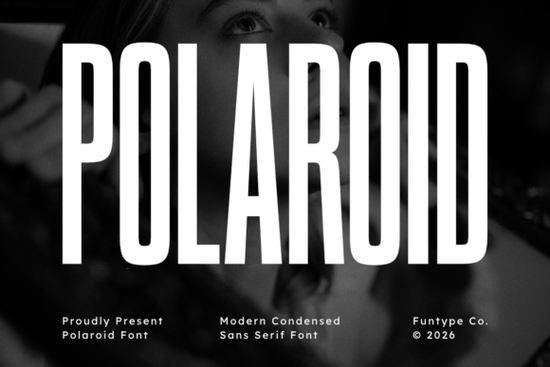
If you're looking for a bold, modern font that stands out in print or digital designs, Polaroid Font delivers a clean, confident look with just the right amount of edge. It’s ideal for projects where impact matters whether you’re creating a movie poster, designing a fashion label, or launching a limited-edition product line. The font’s narrow, geometric structure gives it a sleek, tall presence that commands attention without overwhelming the layout.
What makes Polaroid Font stand out?
Designed as a condensed sans serif, Polaroid combines tight spacing with strong vertical contrast. This balance creates a sense of motion and precision, making it perfect for headlines, logos, and packaging. Its retro-inspired vibe isn’t dated it feels intentional, like a nod to classic film posters and mid-century design, but updated for today’s trends.
The font works well across different formats: OTF and TTF files mean it integrates smoothly into Adobe Creative Suite, Canva, Affinity Designer, and other tools. Whether you’re printing on t-shirts, flyers, or high-end retail boxes, Polaroid maintains sharp clarity at any size.
Great for creative projects with a bold personality
- Fashion branding: Use it for labels, lookbooks, or social media graphics to give your brand a modern, premium feel.
- Film & event posters: The tall, narrow form fits perfectly in cinematic layouts where every line counts.
- Merchandise packaging: Ideal for limited drops, hoodies, or collectibles where visual impact is key.
- Print-on-demand products: Pair it with minimalist visuals for standout designs on mugs, tote bags, and phone cases.
Because it’s a display font meant for short bursts of text, it shines in titles, slogans, and headers not for long paragraphs. That focus keeps your message clear and powerful.
How does it compare to other fonts in its style?
While many condensed sans serifs feel cold or mechanical, Polaroid strikes a thoughtful balance between structure and character. It’s not just narrow it has rhythm. The subtle weight shifts in the strokes add depth, giving it more personality than typical blocky fonts.
If you’ve explored similar options like hoodie-style fonts or soft yet structured typefaces, you’ll notice Polaroid leans into strength and clarity. It’s less playful than Fantastic Moment, which suits whimsical themes, and more focused than general-purpose fonts. It’s built for moments that demand attention.
Where can I use Polaroid Font beyond posters?
It’s not just for big displays. Try it in smaller ways too:
- Logo accents or wordmarks
- Instagram story highlights with a bold title
- Event invites with a vintage-modern twist
- Product tags or price stickers on packaging
For those testing new ideas, start by pairing it with neutral backgrounds or soft textures. A white shirt with black Polaroid text? Instant cool. A dark background with light-colored lettering? High contrast, high impact.
Why choose this font for commercial use?
One thing many designers appreciate: Polaroid comes with a commercial license. You can use it in client work, merchandise, and digital marketplaces without worrying about extra fees. No hidden costs, no restrictions just reliable access.
You can also explore how it pairs with other fonts from Creative Fabrica. For example, try combining it with a softer script for a tagline, or a clean, simple sans serif for body text. The contrast enhances readability while keeping the design fresh.
Want to see what others are doing with this style? Check out real-world examples in the Polaroid Font collection on Creative Fabrica. There, you’ll find inspiration across different niches from streetwear to editorial design.
Final thoughts: Is Polaroid Font right for your next project?
If you need a font that’s memorable, professional, and visually striking especially for headlines or branding Polaroid fits naturally into your toolkit. It’s not flashy for flashiness’ sake; it earns its place through consistency, clarity, and style.
Try it on a mockup first. See how it looks with your colors, images, and message. If it feels right, it likely will be a solid choice for your next print or digital launch.
Next step: Download the OTF and TTF files, create a quick mockup using your favorite tool, and test it on a real project. Then share it with a friend or colleague get feedback before going full scale.
Download Now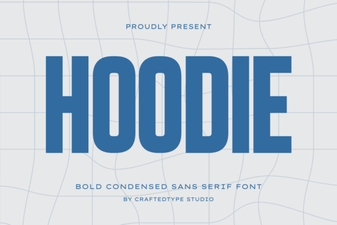 Creative Hoodie Font Designs for Unique Apparel Projects
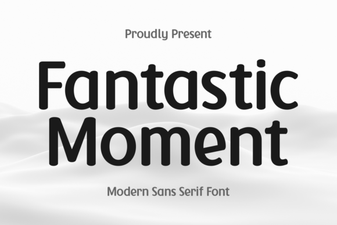 Fantastic Moment Font for Creative Design Projects
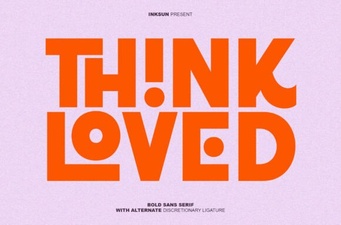 Think Loved Font: Creative Typography for Unique Projects
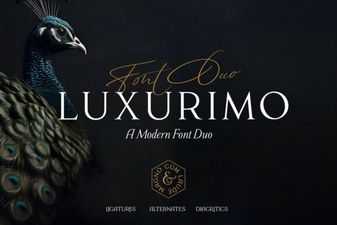 Luxurimo Font: Elegant Typography for Creative Projects
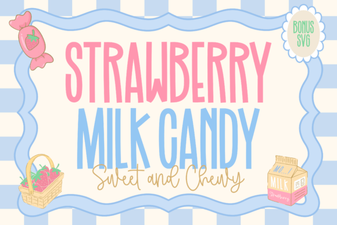 Strawberry Milk Candy Font for Sweet Design Projects
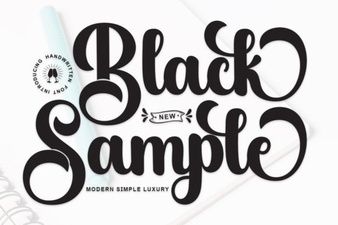 Black Sample Font for Bold Design Projects